Maintaining a pristine swimming pool is more than just skimming leaves and balancing chemicals. For many homeowners in Florida, the biggest challenge lies in identifying and managing algae in hard-to-reach areas. Algae growth can hide behind steps, under diving boards, in corners, or along pool edges where regular cleaning tools cannot reach. Left unchecked, these hidden algae colonies can not only affect the pool’s appearance but also compromise water safety, pool equipment, and long-term structural integrity. At Advanced Pool Solutions, we understand the importance of professional pool algae identification for maintaining healthy, beautiful pools across Florida.
Understanding Pool Algae Growth
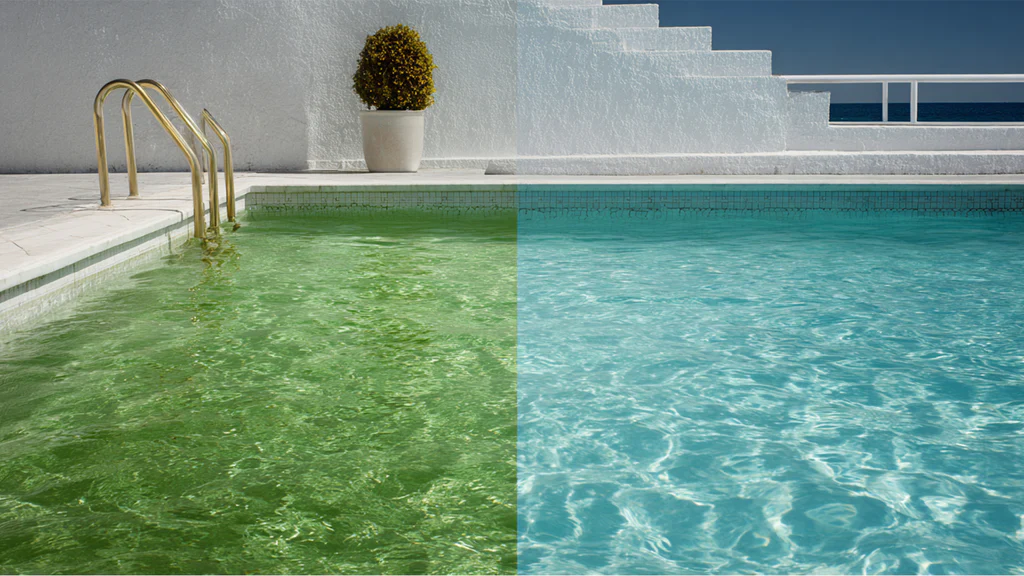
Algae is a natural organism that thrives in water with high nutrient levels, sunlight, and poor circulation. It can take several forms: green, yellow, black, or even mustard algae, each with distinct characteristics and growth patterns. While green algae are commonly found floating or clinging to pool surfaces, black and mustard algae tend to attach firmly to tiles, plaster, or steps, often forming in hard-to-reach areas.
Identifying these algae early is critical for effective swimming pool maintenance. Early detection prevents widespread contamination, reduces the need for aggressive chemical treatments, and protects pool surfaces from long-term damage. Many homeowners underestimate algae growth because it may not be immediately visible. Even when water appears clear, hidden algae colonies can form beneath ladders, in plumbing corners, or along pool skimmers.
The Importance of Pool Algae Identification
Proper pool algae identification is the first step in protecting your pool from costly repairs and maintaining a safe swimming environment. Algae can accelerate the degradation of pool surfaces, cause slippery tiles, and create health risks for swimmers. For pools with intricate designs, multiple levels, or hard-to-reach corners, professional identification ensures that no area is left untreated.
Using expert techniques, technicians from Advanced Pool Solutions can detect algae growth that is invisible to the naked eye. This process involves:
- Visual inspection of all pool surfaces, including hidden corners and steps.
- Water testing to measure nutrient levels, pH balance, and chlorine efficiency.
- Advanced detection tools to locate algae colonies in plumbing or circulation lines.
This thorough approach ensures that algae is treated effectively, protecting both the pool and its users.
Challenges in Hard-to-Reach Areas
Pools with complex designs, steps, raised walls, or decorative water features often harbor algae in locations that are inaccessible with standard cleaning equipment. Homeowners may find it difficult to scrub these areas or properly circulate chemicals. Some common hard-to-reach algae spots include:
- Corners behind ladders or slides
- Under diving boards and slides
- Steps and recessed shelves
- Along pool edges near skimmers and drains
- Plumbing lines and water return inlets
Neglecting these areas can allow algae to multiply, requiring more intensive green pool cleaning or even partial resurfacing. By performing professional pool algae identification, these hidden colonies are located early, making treatment more effective and less disruptive to pool use.
Techniques for Effective Pool Algae Identification
Professional pool algae identification involves both inspection and testing. Techniques used by experts include:
- Visual Inspection with Specialized Equipment
Technicians utilize underwater cameras and pool brushes to detect algae in hidden areas. Subtle discoloration, slime, or biofilm is often the first sign of growth. - Water Chemistry Analysis
Maintaining balanced water chemistry is crucial for preventing algae growth. Testing chlorine, pH, alkalinity, and phosphates helps identify conditions favorable to algae. - Pool Circulation Assessment
Poor water circulation contributes to algae formation in corners and behind obstacles. Inspecting pumps, filters, and return jets ensures chemicals reach all areas effectively. - Leak Detection Integration
Hidden leaks can create damp spots ideal for algae colonization. Combining pool leak locating with algae inspection ensures that problem areas are fully treated and future growth is minimized.
These methods allow Advanced Pool Solutions to address algae problems with precision, reducing the need for harsh chemicals and repeated treatments.
Maintaining Pools to Prevent Hidden Algae
While professional identification and treatment are essential, homeowners can take proactive steps to prevent algae in hard-to-reach areas:
- Regular Cleaning: Even difficult spots should be brushed or vacuumed weekly using specialized tools.
- Proper Circulation: Running pumps long enough to ensure chemicals reach all corners reduces algae growth.
- Balanced Water Chemistry: Regularly test and adjust chlorine, pH, and alkalinity to create an inhospitable environment for algae.
- Routine Maintenance Services: Engaging professionals for seasonal inspections ensures that hidden algae are identified before they cause major issues.
By combining swimming pool maintenance with professional oversight, Florida homeowners can enjoy crystal-clear water throughout the year.
Addressing Green Pools and Persistent Algae
In cases where algae has overrun the pool, professional green pool cleaning becomes necessary. Hidden algae in hard-to-reach areas often require a multi-step process:
- Shock Treatment: Raising chlorine levels to eliminate algae.
- Brushing and Scrubbing: Targeting corners, steps, and tiles where algae attaches firmly.
- Filtration and Vacuuming: Removing dead algae and debris efficiently.
- Surface Restoration: Inspecting for damage, cracks, or worn surfaces after algae removal.
For pools with cracked swimming pool repair needs, algae can infiltrate fissures and accelerate deterioration. Addressing cracks alongside algae treatment ensures long-lasting results, protecting both aesthetics and structural integrity.
Why Professional Services Make a Difference
Homeowners often attempt DIY treatments for algae, but hidden colonies in hard-to-reach areas can persist, leading to repeated cleaning, increased chemical use, and frustration. By relying on professional services like those offered by us, pools are treated efficiently, safely, and sustainably. Our licensed team ensures:
- Accurate pool algae identification for all surfaces
- Effective green pool cleaning tailored to Florida pools
- Prevention of long-term damage with proactive cracked swimming pool repair
- Integration of pool leak locating for early detection of hidden water issues
This holistic approach not only restores pool beauty but also extends its lifespan and reduces maintenance costs over time.
Choosing the Right Maintenance Plan
Regular professional swimming pool maintenance is essential for pools with hard-to-reach areas. A customized plan can include:
- Seasonal algae inspections
- Water chemistry testing and adjustment
- Equipment checks and repairs
- Preventive cleaning and circulation management
Florida’s climate, with high humidity and heat, can accelerate algae growth. Partnering with experts ensures that even difficult-to-access areas remain clean, safe, and enjoyable for family and guests year-round.
Conclusion
Effective pool algae identification in hard-to-reach areas is critical for maintaining safe, functional, and visually appealing pools. Hidden algae not only affects water clarity but can also damage surfaces, plumbing, and equipment if left untreated. Combining professional inspections, thorough water testing, targeted cleaning, and regular maintenance ensures that Florida homeowners enjoy their pools without stress or interruption.
We specialize in identifying, treating, and preventing algae in every corner of your pool. Our expert team integrates swimming pool maintenance, green pool cleaning, pool leak locating, and cracked swimming pool repair to deliver lasting results. Whether your pool is showing early signs of algae or requires complete restoration, our licensed professionals provide safe, reliable, and customized solutions to keep your pool sparkling all year.
Invest in professional pool algae identification today, and enjoy a cleaner, healthier, and longer-lasting pool for your family and friends.
FAQs
Frequently Asked Questions
Have questions about pool construction, remodeling, or maintenance? Here are some of the most common queries homeowners in Central Florida, US ask about their pools.
1. What is pool algae identification, and why is it important?
Pool algae identification involves inspecting and detecting algae growth in all areas of your pool, including hard-to-reach spots. Early identification prevents spread, protects pool surfaces, and maintains safe swimming water.
2. How often should I get professional algae inspections?
For Florida pools, a seasonal inspection every 2–3 months is recommended, especially in pools with complex designs or hidden corners where algae can thrive unnoticed.
3. Can algae damage my pool equipment or surfaces?
Yes. Algae can attach to tiles, steps, and cracks, making surfaces slippery and accelerating wear. It can also clog filters and pumps, reducing equipment efficiency.
4. Are DIY algae treatments effective for hard-to-reach areas?
DIY methods may address visible algae, but hidden spots often remain untreated. Professional green pool cleaning and algae identification ensure complete removal and prevention.
5. How does we handle algae in hard-to-reach areas?
Our licensed team uses advanced inspection tools, water chemistry testing, and precise cleaning methods to locate and treat algae safely, while also addressing pool leak locating, cracked swimming pool repair, and long-term maintenance.