
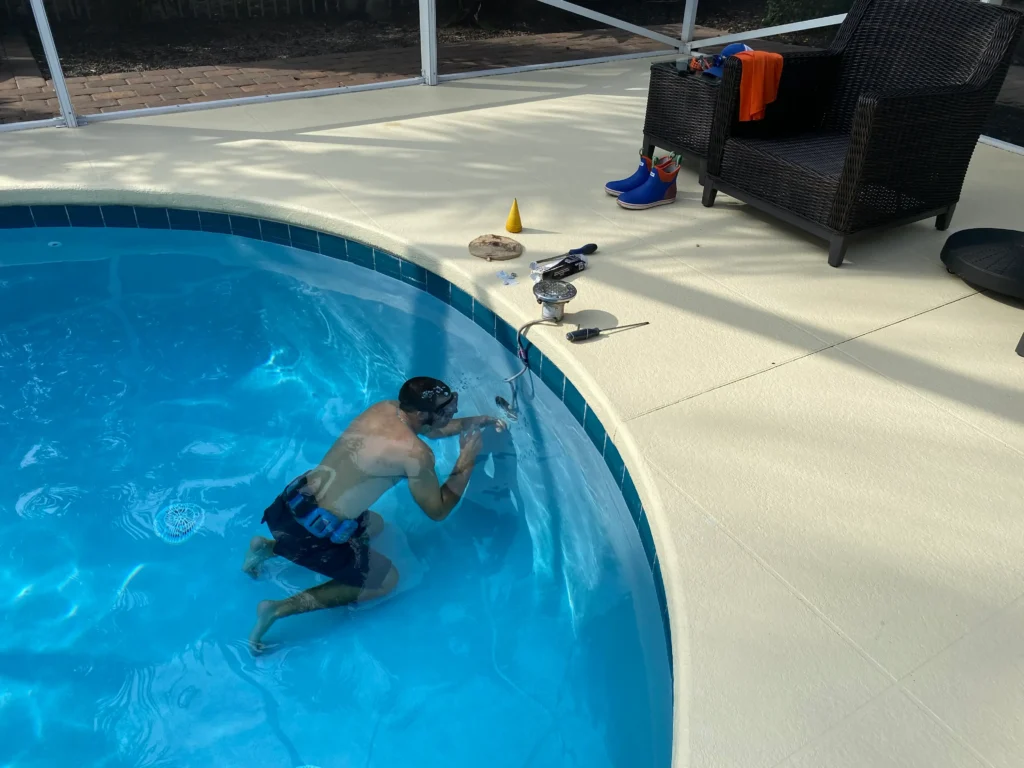
Swimming pools bring relaxation, family fun, and a cool escape during hot months. Yet, behind the joy lies one of the biggest headaches pool owners face: leaks. A small, hidden leak might look harmless at first, but it can silently drain hundreds of gallons of water. With professional pool leak locating, pool owners stop water loss before it grows into a costly disaster.
The numbers reveal the reality. A single pinhole can waste more than 70 gallons in one day. Over one month, that adds up to more than 2,000 gallons. Imagine paying water bills for water you never enjoyed. Beyond the cost, leaks weaken pool structures, shift surrounding soil, and cause cracks to spread further.
This is why professional pool leak locating services matter. They save you money, protect your property, and ensure your pool lasts longer.
The High Cost of Ignoring Pool Leaks
Most pool owners underestimate the damage caused by small leaks. However, a leak that drops just one inch of water daily equals nearly 500 gallons gone. That’s about 15,000 gallons wasted each month. Over a year, that’s 180,000 gallons enough to fill nine large backyard pools.
Besides wasting water, leaks upset the chemical balance. Pool chemicals designed for 20,000 gallons no longer match a pool losing hundreds each day. Owners often overuse chlorine or stabilizers to compensate, spending more money. Moreover, equipment like pumps and filters works harder to maintain balance. This shortens their lifespan, adding hundreds or even thousands in repair or replacement costs.
When leaks are ignored, damage spreads. Soil shifts under the pool, cracks widen, and decking starts to sink. Eventually, what started as a small problem turns into a structural repair bill of $10,000 or more. Timely pool leak locating prevents this spiral.
How to Recognize the Warning Signs
Not every pool leak is obvious. Many homeowners mistake water loss for normal evaporation. On average, a pool naturally loses about one-quarter inch of water per day due to heat, wind, and humidity. Anything more than that should raise concern. If you notice faster water loss, it often points to a hidden leak. By learning to recognize the subtle signals, you can schedule professional pool leak locating before the damage becomes severe.
Unexplained Water Drops
If you are refilling your pool more often than usual, take note. An average pool should only lose about 2 inches of water per week from evaporation. Anything more suggests a problem. Keep in mind that heavy winds or hot weather can increase natural evaporation. However, if water levels fall quickly even in mild conditions, that almost always points to a leak.
Soaked Soil Around Pool
Check the area surrounding your pool regularly. If you notice soggy patches, soft ground, or muddy spots that never dry, it often means water is escaping underground. This water can weaken the soil under your deck or patio, causing tiles or concrete to shift. Over time, the ground becomes unstable, and repairs grow more complicated. Spotting wet soil early makes professional pool leak locating easier and less costly.
Spike in Water Bills
One of the clearest warnings is a sudden jump in your monthly water bill. If your pool is losing water, you are paying for thousands of gallons you never used. Even a leak the size of a pinhole can waste 70 gallons daily. Multiply that by 30 days, and you’re paying for 2,100 gallons you didn’t swim in. If your bills don’t match your household usage, a pool leak is often the culprit.
Air in the System
Gurgling noises or bubbles coming from return jets often signal suction-side leaks. These occur when pipes pull in air because water is escaping somewhere else in the system. Left unchecked, this can damage pumps and filters. Equipment works harder than designed, leading to overheating or breakdowns. If you notice unusual sounds, don’t ignore them schedule pool leak locating immediately.
Cracks in Walls or Decking
Small cracks in pool walls, tiles, or decking may look cosmetic at first, but they can signal deeper problems. Water seeping through even the tiniest opening widens cracks as soil shifts and pressure builds. Over time, hairline cracks grow larger, eventually compromising the pool’s structure. Professional technicians can determine whether a crack is harmless or part of a larger leak.
Where Do Pool Leaks Happen Most Often?
Leaks can form in many areas, but some are more common than others.
- Structural Leaks
Cracks in pool walls, tiles, or floors are often caused by shifting ground or poor construction. Even a hairline crack lets water escape daily. - Plumbing Leaks
Underground pipes carry water between the pool and the equipment. Because they are buried, leaks remain hidden. In fact, studies show 70% of pool leaks involve plumbing lines. - Equipment Leaks
Pumps, filters, and heaters have seals and connections that wear out. These parts drip slowly at first but worsen over time.
Pinpointing the exact cause requires expert testing. That’s why professional pool leak locating services use advanced methods rather than guesswork.
Professional Pool Leak Locating Methods
When homeowners suspect leaks, bucket tests and food dye checks are common first steps. While useful, they often miss deeper problems. Experts instead use precise techniques that deliver reliable answers.
1. Pressure Testing
Technicians isolate plumbing lines and apply pressure. If a line fails to hold pressure, it means water is escaping underground.
2. Electronic Listening Devices
These advanced microphones pick up the sound of water escaping, even through concrete or soil. They allow experts to pinpoint exact leak locations without digging up your yard.
3. Dye Testing
Special dyes are released near cracks or seams. If the dye is pulled into the opening, it confirms the presence of a leak.
4. Camera Inspections
Tiny waterproof cameras explore pipes and fittings. They show cracks, breaks, or blockages that cause leaks.
Using these tools, pool leak locating becomes precise, fast, and minimally disruptive. Most inspections take only a few hours.
Why DIY Approaches Often Fail
While online videos suggest DIY methods, they rarely solve the root problem. For example, a bucket test only confirms whether water loss exists it does not show where. Food dye works for visible cracks but not for underground leaks.
Moreover, homeowners may misdiagnose normal evaporation as leaks or waste money repairing the wrong area. In contrast, trained professionals combine technology with years of field experience. They see patterns, test correctly, and find answers quickly. Choosing professional pool leak locating avoids repeated trial and error.
Real Numbers Behind Pool Water Loss
Consider these figures:
- A leak 1/8 inch wide may waste 250 gallons every day.
- A cracked return line can lose 1,000 gallons daily.
- One pool owner in Florida reported losing $200 each month due to water waste.
These numbers reveal the urgency. Without pool leak locating, water bills soar, chemicals increase, and damage worsens silently.
The Benefits of Timely Pool Leak Locating
The advantages of professional leak locating go beyond saving money.
- Lower Utility Costs: Stop paying for wasted water.
- Balanced Water Chemistry: Maintain safe swimming conditions without overusing chemicals.
- Extended Equipment Life: Pumps and filters last longer when leaks are repaired.
- Stable Soil Around Pool: Prevent erosion that cracks decking or shifts pool walls.
- Peace of Mind: Enjoy your pool without constant worry about water loss.
By scheduling pool leak locating early, you invest in both comfort and long-term savings.
How Long Does the Process Take?
Many homeowners assume leak detection requires weeks of digging. In reality, modern technology has made the process fast and efficient. Small leaks often take less than two hours to find. Even complex underground leaks rarely take more than one day.
Professional teams arrive with electronic tools, pressure testing systems, and cameras. This reduces guesswork and avoids unnecessary damage to your yard. Thanks to these advancements, pool leak locating today is more convenient and reliable than ever before.
Choosing the Right Experts
Not every company offers the same quality. When searching for services, ask the right questions:
- Do they use modern detection technology?
- Are their technicians licensed and experienced?
- Do they provide upfront cost estimates?
- Can they share reviews or references from other pool owners?
Advanced Pool Solutions specializes in professional pool leak locating, combining skilled technicians with the latest tools. With a reputation built on accuracy and reliability, the company ensures homeowners receive long-lasting results instead of temporary fixes.
Evaporation vs Leak: Spotting the Difference
Many pool owners confuse normal evaporation with hidden water loss. While losing a little water daily is expected, leaks drain far more and often leave behind costly damage. The table below shows how evaporation compares to different types of leaks, their impact on bills, and the risks of delaying repairs.
Situation | Water Loss Per Month | Cost Impact | Long-Term Risk |
Normal Evaporation | ~2 inches / 2,000 gallons | Low | No damage |
Small Leak (Pinhole) | ~2,100 gallons | +$50–$100 water bills | Soil weakening, cracks spreading |
1-Inch Daily Drop | ~15,000 gallons | +$300–$500 water bills | Structural damage, $10,000+ repairs |
Conclusion
A swimming pool should bring enjoyment, not stress. But leaks often change that joy into frustration, wasted money, and expensive repairs. Thankfully, professional pool leak locating prevents small issues from becoming financial nightmares.
With the right experts, you stop water loss, save money, and extend the life of your pool. Most importantly, you regain peace of mind knowing your pool is safe and reliable for your family.
Keep your pool safe and reliable with Advanced Pool Solutions. Book a full inspection today and avoid expensive surprises later. Our skilled team is ready to find and fix issues fast.
FAQs
Frequently Asked Questions
Have questions about pool construction, remodeling, or maintenance? Here are some of the most common queries homeowners in Central Florida, US ask about their pools.
1. How much water loss is normal in a pool?
Most pools lose about a quarter inch of water per day due to evaporation. Weather, sunlight, and wind can make the rate slightly higher. If you notice more than two inches per week, it often signals a problem beyond evaporation. Regularly checking water levels helps identify unusual drops early.
2. Can high water bills really be caused by a pool?
Yes, they can. Even a tiny hole the size of a pinhead may waste more than 70 gallons each day. Over a month, that equals thousands of gallons. These losses reflect directly on your water bill, even though you never enjoyed the extra water.
3. Do small cracks in pool walls matter?
Absolutely. While some surface cracks are harmless, many create pathways for water to escape. Over time, escaping water widens the crack and weakens nearby structures. Soil erosion around the pool also causes tiles or decking to shift. What seems minor today can grow into an expensive repair tomorrow.
4. How can air bubbles in pool jets indicate a problem?
When you see bubbles coming from return jets, it often means air is being pulled into the system. This usually happens when water escapes somewhere else, creating suction leaks. Pumps and filters then work harder, wearing out faster and driving up repair costs.
5. Is evaporation ever confused with a leak?
Yes, very often. Natural evaporation happens daily, but the amount depends on temperature, humidity, wind, and sunlight. Many homeowners mistake faster water loss for evaporation when it is actually something more serious. For example, a pool losing more than two inches a week usually points to a leak.